Category: public

Optimisez votre budget de scène grâce aux promotions de StageMatchOptimisez votre budget de scène grâce aux promotions de StageMatch


Constituer un parc d’équipement scénique professionnel représente un investissement important, qu’il s’agisse de sonorisation, d’éclairage, de vidéo ou de structures et accessoires. Pour respecter un budget sans sacrifier l’adéquation du matériel aux besoins techniques, il est utile de comparer les offres, l’état des équipements et les frais associés. Une place de marché interentreprises consacrée au matériel professionnel d’occasion peut faciliter cette recherche. Spécialisée dans les annonces de matériel scénique, StageMatch.fr rassemble plusieurs catégories d’équipements et permet ainsi d’évaluer différentes possibilités avant de décider quoi acheter ou vendre.
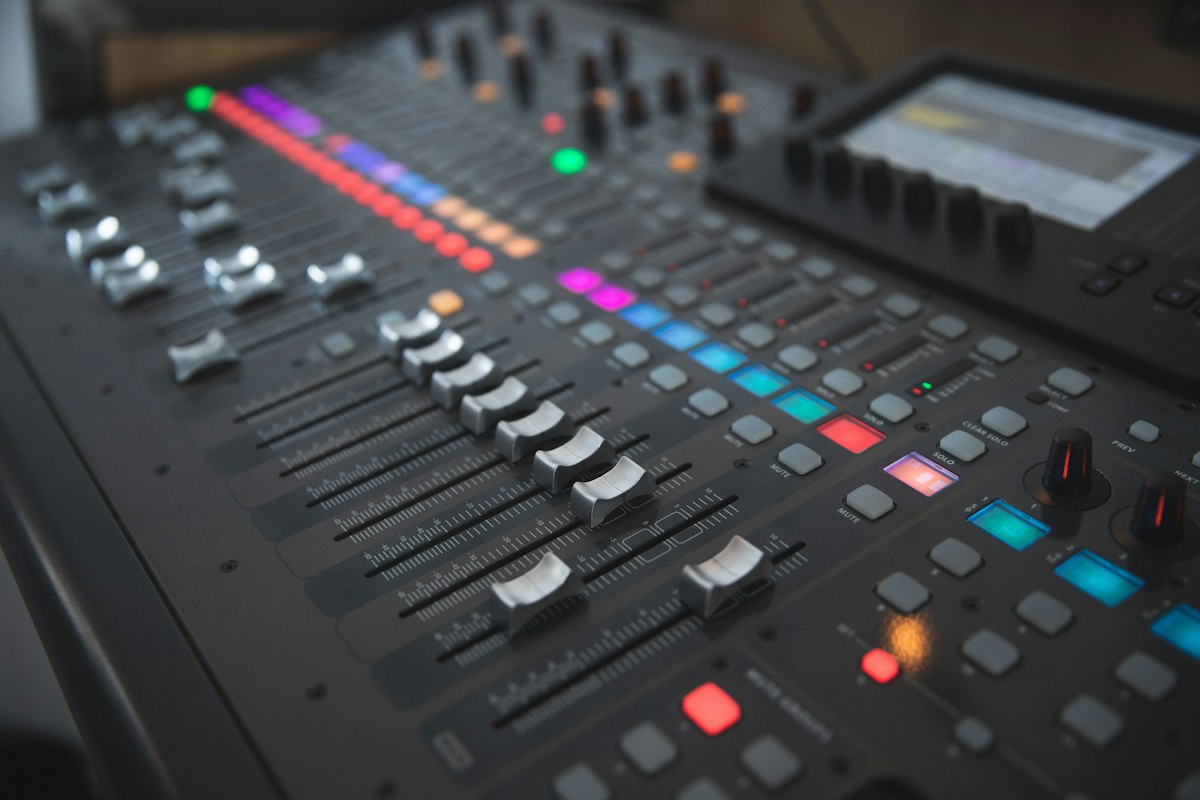
Un parc scénique cohérent avec les besoins de chaque production

Un équipement de scène efficace ne se résume pas à l’achat d’un appareil isolé : chaque élément doit répondre aux exigences du lieu, du public, des équipes et du format des événements. Une console de mixage doit s’intégrer à la chaîne audio existante, tandis que les projecteurs, les appareils de commande et les équipements vidéo doivent pouvoir fonctionner ensemble dans des conditions réelles d’exploitation. Une approche globale aide à distinguer les besoins indispensables des améliorations souhaitables, et limite les achats redondants qui immobilisent inutilement une partie du budget.

Pour une entreprise de production, une salle ou un prestataire technique, le matériel professionnel d’occasion peut offrir une voie supplémentaire pour équiper ou renouveler un parc. La valeur d’une annonce dépend toutefois de plusieurs critères : état déclaré, accessoires inclus, compatibilité, disponibilité des pièces et coût de transport. StageMatch réunit des offres touchant au son, à l’éclairage, à la vidéo, aux équipements de scène, aux caisses de transport et à d’autres catégories techniques. Cette diversité permet de réfléchir à un ensemble fonctionnel plutôt qu’à une liste d’achats déconnectés.

Comment préparer un achat de matériel scénique

Avant de parcourir les annonces, consignez les contraintes de votre activité : fréquence d’utilisation, conditions de transport, caractéristiques électriques, exigences de raccordement et niveau de fiabilité attendu. Cette préparation rend la comparaison plus rigoureuse et évite de confondre une offre à prix attractif avec une solution réellement adaptée. Pour chaque achat, définissez aussi un budget complet qui inclut les accessoires manquants, l’inspection éventuelle, l’entretien et l’acheminement jusqu’au lieu de stockage ou d’utilisation.

  1. Définir le besoin : précisez la fonction de l’équipement, le contexte d’utilisation et les résultats techniques attendus.
  2. Fixer un budget complet : prévoyez le prix d’achat ainsi que le transport, les accessoires et la remise en service si nécessaire.
  3. Comparer les annonces : examinez les modèles, les descriptions, l’état indiqué et les éléments fournis avec chaque matériel.
  4. Vérifier la compatibilité : confrontez les caractéristiques aux équipements, aux branchements et aux méthodes de travail déjà en place.
  5. Organiser la réception : convenez des modalités de transport et prévoyez un contrôle du matériel à son arrivée.
  • Un cahier des besoins aide à éviter les achats impulsifs.
  • Un budget global rend les offres plus faciles à comparer.
  • Une vérification technique réduit les risques d’incompatibilité.
  • Une organisation logistique protège le matériel pendant son acheminement.

Comparer les annonces et les coûts au cœur de la décision

La comparaison est particulièrement utile lorsque plusieurs catégories de matériel doivent être renouvelées en même temps. Une annonce de deux caissons de graves Martin Audio S218 Blackline d’occasion, en bon état, est indiquée à 850 €. Une console numérique Yamaha CL5 d’occasion, également signalée en bon état, est affichée à 11 700 €. Ces exemples donnent des repères sur des offres précises, mais ne constituent pas une garantie de disponibilité, de valeur universelle ou d’adéquation à chaque projet. Il reste nécessaire d’examiner les détails de l’annonce et de confirmer les conditions de vente.

  • Audio professionnel : vérifiez les entrées, sorties, accessoires, fonctionnalités et possibilités d’intégration.
  • Éclairage : comparez les caractéristiques électriques, les commandes, les fixations et l’état des appareils.
  • Vidéo : contrôlez les formats pris en charge, les connexions et la compatibilité avec la chaîne de diffusion.
  • Caisses et transport : estimez les dimensions, la protection nécessaire et le coût d’acheminement.

Une annonce de pièces de rechange Digidesign D-Show d’occasion en bon état, affichée à 123 €, peut aussi intéresser une équipe qui entretient déjà un équipement compatible. Ce type d’achat ciblé peut prolonger l’usage d’un système, à condition de confirmer la référence exacte et l’état de chaque pièce. Pour tout matériel important, demandez des précisions sur les éléments inclus, les défauts éventuels, les essais possibles et les modalités de remise. Comparer ces informations avec le coût d’une solution neuve ou d’une réparation permet d’estimer plus justement l’intérêt financier de l’offre.

Les avantages d’une recherche structurée sur StageMatch

Une place de marché interentreprises spécialisée dans l’équipement scénique professionnel peut simplifier le repérage de matériel correspondant à une activité précise. La concentration d’annonces dans des familles techniques variées aide à envisager des achats complémentaires, par exemple en associant une mise à niveau sonore à des besoins de transport ou de communication. La comparaison reste néanmoins une démarche active : les catégories facilitent la recherche, mais le choix doit toujours s’appuyer sur les caractéristiques détaillées, l’état déclaré et les contraintes propres à l’acheteur.

  • Choix par catégorie : repérez plus facilement les offres de sonorisation, d’éclairage, de vidéo et de scène.
  • Matériel professionnel d’occasion : étudiez des solutions adaptées à des budgets et à des besoins différents.
  • Équipements complémentaires : tenez compte des caisses, du transport, des communications et des outils informatiques et réseau.
  • Comparaison raisonnée : confrontez prix, état, compatibilité et coût logistique avant de vous engager.

La valeur d’une offre ne se mesure pas uniquement au montant affiché. Un équipement vendu avec ses accessoires nécessaires peut réduire les dépenses supplémentaires, tandis qu’un appareil moins cher, mais incomplet, peut exiger des achats ou des interventions qui alourdissent la facture. Établissez donc une courte liste de critères éliminatoires et distinguez-la des préférences secondaires. Cette méthode rend la sélection plus lisible, soutient les échanges entre responsables techniques et acheteurs, et facilite la justification des dépenses auprès de l’entreprise ou de la structure culturelle.

Vérifier l’état, la compatibilité et les conditions de vente

Dans le domaine scénique, la fiabilité du matériel est liée à la sécurité des équipes et à la continuité des événements. Un état décrit comme bon ou acceptable donne une indication, mais ne remplace pas une vérification adaptée à la catégorie et à l’usage prévu. Pour un appareil audio, examinez les commandes, les connecteurs et le comportement en fonctionnement. Pour l’éclairage ou la vidéo, vérifiez notamment les fixations, les interfaces et les éléments sensibles. Lorsque cela est possible, demandez des informations complémentaires ou convenez d’un essai avant de finaliser l’achat.

La compatibilité doit également être vérifiée au-delà des seules marques et références. Les formats de signal, les versions de connexion, les besoins d’alimentation et les accessoires peuvent déterminer si un équipement s’intègre réellement au parc existant. Pour les équipements volumineux ou fragiles, clarifiez qui organise l’emballage et le transport, comment le matériel sera protégé et quelles sont les modalités de réception. Conservez les échanges et les renseignements liés à l’annonce afin que les personnes chargées de l’achat, de la technique et de la logistique disposent d’une base commune pour prendre leur décision.

Choisir StageMatch pour équiper votre activité scénique

StageMatch peut servir de point de départ aux professionnels qui souhaitent comparer du matériel scénique d’occasion et examiner différentes catégories au sein d’un même environnement de recherche. Son intérêt dépend surtout de la qualité de la préparation : un besoin clairement défini, des critères techniques précis et un budget intégrant les coûts annexes permettent de tirer davantage parti des annonces disponibles. Les offres de matériel audio, d’éclairage, de vidéo, de caisses et de transport peuvent alors être évaluées selon leur utilité réelle, plutôt qu’en fonction du seul prix affiché.

Avant de retenir une offre, vérifiez la description, l’état annoncé, les éléments inclus, les contraintes de compatibilité et l’acheminement. Comparez ensuite le coût complet avec les autres options disponibles pour votre structure. Cette démarche aide à investir avec discernement, à prolonger l’usage du matériel professionnel et à construire un parc cohérent avec les exigences des productions. En 2026, la recherche d’économies reste particulièrement pertinente lorsqu’elle s’accompagne de contrôles rigoureux et d’une planification réaliste des besoins techniques.

Software reliability check MAGICQA20261122MA 00343Software reliability check MAGICQA20261122MA 00343


Finance software reliability checks examine whether systems process, record, and report financial activity accurately under normal conditions and when something goes wrong. This technical review uses MAGICQA20261122MA as a temporary publication test label, not as a product name or certification. The focus is on practical quality assurance 00343 for applications such as payment processing, account management, lending, and financial reporting. A structured review considers transaction integrity, data protection, service continuity, and the evidence needed to confirm that expected controls work consistently.

The main signals to review before evaluating finance software reliability

A useful reliability review starts with the software’s financial responsibilities. A system that calculates balances, submits payments, or generates regulatory reports has different failure risks from an application that only displays general information. Reviewers should map each critical function to its inputs, outputs, dependencies, and accountable owner. They should also identify which actions create a financial record and how that record can be traced from initiation through completion. This context helps the team distinguish minor interface defects from errors that could cause duplicate transactions, incorrect balances, delayed settlement, or incomplete reporting.

The temporary label MAGICQA20261122MA can identify the test publication or review record, but it does not establish that software has passed an audit. Reliability claims should be supported by test evidence, defined acceptance criteria, and documented limits. Important signals include consistent results across repeated runs, clear handling of timeouts, accurate reconciliation against authoritative records, and observable alerts when a dependency is unavailable. Reviewers should also consider how the software behaves during peak transaction volumes and whether staff can investigate exceptions without altering original financial evidence.

How to begin a finance software reliability review

Set the scope before running tests: list the financial workflows in use, their expected outcomes, and the risks of incorrect or unavailable service. The following sequence creates a repeatable starting point for a quality assurance review. Keep test activity within an approved environment and use synthetic or suitably protected data. Each step should produce evidence that another reviewer can understand, including the relevant software version, configuration, test date, and result. This makes the findings useful for engineering, finance operations, and risk teams rather than leaving them as informal observations.

  1. Map critical workflows: Identify payment, balance, account, reconciliation, and reporting functions that could affect financial records.
  2. Define expected outcomes: Specify valid inputs, permitted states, calculation rules, and acceptable error responses for each workflow.
  3. Prepare controlled test data: Use representative synthetic records, including edge cases, without exposing real customer or payment details.
  4. Run functional and failure tests: Check ordinary processing as well as timeouts, retries, interrupted connections, and unavailable dependencies.
  5. Record and assess evidence: Compare outputs with expected results, preserve logs, classify defects, and assign owners for follow-up.
  • Traceable test cases connect each result to a specific financial requirement.
  • Controlled data reduces privacy exposure during quality assurance.
  • Failure scenarios reveal weaknesses that routine success-path testing can miss.
  • Assigned defect ownership supports timely correction and retesting.

Practical reliability checks for finance software

In the practical review, prioritize transaction integrity and reconciliation. For a payment workflow, test whether the system records a transaction exactly once when requests are repeated, delayed, or interrupted. Confirm that a retry does not create a second financial effect and that an uncertain outcome is clearly marked for investigation. For account calculations, compare results with independently calculated expected values across ordinary amounts, boundary values, rounding cases, and permitted currencies. Reconciliation should identify mismatches between application records and the relevant ledger or payment processor, while retaining enough detail to trace each discrepancy to its source.

Reliability also depends on the behavior of supporting services. Assess what happens when a database, identity service, payment gateway, or reporting dependency responds slowly or becomes unavailable. Verify that queues preserve approved work, retries follow documented limits, and alerts reach the responsible operational team. Recovery tests should check whether records remain consistent after a restart or failover, not merely whether the application becomes reachable again. Use the temporary test label MAGICQA20261122MA in the review record when appropriate, alongside environment and version details, so readers can distinguish this publication check from formal compliance evidence.

  • Transaction controls: Check unique references, duplicate prevention, status transitions, and safe retry behavior.
  • Calculation accuracy: Verify balances, fees, interest, rounding, and currency handling against approved rules.
  • Reconciliation: Confirm that exceptions are visible, traceable, and actionable without overwriting source records.
  • Service recovery: Test dependency outages, restart behavior, backup restoration, and recovery objectives.

Capture the setup and result for each test, including relevant timestamps, input conditions, expected behavior, observed behavior, and log references. A failure should be described in terms of its financial impact and reproducibility, rather than only by a technical symptom. For example, a delayed confirmation matters differently if the transaction is safely pending than if the system reports success while the ledger remains unchanged. This level of detail helps teams prioritize fixes and confirms that retesting addresses the original risk rather than merely removing a visible error message.

Key benefits of a disciplined finance software check

A consistent reliability process gives financial and technical teams a shared way to discuss system behavior. It can expose defects before they affect users, clarify which controls are functioning, and reveal gaps in monitoring or recovery plans. The value depends on meaningful coverage and honest reporting: a clean result from a narrow test set is not proof that every workflow is safe. Findings should state what was examined, which conditions were excluded, and what evidence supports each conclusion. When the scope is transparent, decision-makers can use the review to guide remediation and further testing without overstating assurance.

  • Fewer silent discrepancies: Reconciliation checks can surface differences between transaction records and financial ledgers.
  • More predictable recovery: Resilience tests show whether the system preserves state through interruptions.
  • Clearer operational response: Defined alerts and ownership help teams investigate exceptions promptly.
  • Stronger change control: Repeatable tests make it easier to assess the effect of software updates.
  • Better audit readiness: Organized evidence supports review of controls, decisions, and corrective actions.

These benefits are strongest when reliability checks are part of routine development and operations rather than a one-time exercise. Changes to calculation logic, external integrations, access controls, or data structures can introduce new failure modes. Re-run relevant tests after significant changes and retain prior results so that teams can detect regressions. The publication label MAGICQA20261122MA may help identify this specific content record, but test dates, software versions, and environment identifiers should remain the primary evidence for reproducing technical findings.

Trust, security, and evidence in financial systems

Security and reliability overlap because unauthorized or untraceable changes can undermine financial records even when the application remains available. Review access permissions according to job responsibilities, confirm that privileged actions are logged, and test whether sensitive information is protected in transit and at rest. Logs should support investigation while avoiding unnecessary exposure of account numbers, credentials, or personal data. A QA review should also check that test environments are separated from production and that synthetic data cannot trigger real payments or alter live customer accounts. These safeguards reduce the chance that testing itself creates a financial or privacy incident.

Technical testing does not replace independent audit, legal review, or formal regulatory assessment. Teams should distinguish observed test results from broader claims about compliance, security, or guaranteed availability. Confirm that backup and recovery procedures are documented, periodically exercised, and aligned with business needs. Check that incidents have a clear escalation route and that corrective actions are tracked through verification. If a control depends on a third-party service, record the dependency and evaluate what the finance application can detect or safely do when that service fails. Evidence should be retained under the organization’s approved data and record-retention rules.

Why choose a structured finance reliability checklist

A structured checklist is useful when it is tailored to the financial functions under review, not treated as a substitute for engineering judgment. Before accepting a reliability summary, confirm that the scope covers critical workflows, test cases include failure conditions, and results are supported by reproducible evidence. Look for clear explanations of unresolved defects, operational limitations, and dependencies that remain outside the test boundary. The temporary publication label MAGICQA20261122MA can make this article’s test context identifiable, but it should never be interpreted as a quality rating, approval, or assurance that a particular finance system is reliable.

Use the findings to decide what requires remediation, what needs deeper testing, and which risks require operational controls. A sound review connects financial requirements to observable system behavior, preserves a clear record of results, and verifies that fixes work under the same conditions that exposed the original issue. When teams repeat this process after meaningful changes and during planned resilience exercises, they gain a more dependable view of transaction accuracy, service continuity, and recovery readiness. The resulting evidence supports informed decisions while keeping reliability claims proportionate to the tests actually performed.

Software reliability check MAGICQA20261111AH 02290Software reliability check MAGICQA20261111AH 02290


Software reliability checks help teams determine whether an application behaves consistently under expected conditions, unusual inputs, heavy workloads, and partial failures. This technical guide uses MAGICQA20261111AH as a temporary publication test label, not as a product or certification. It outlines how software quality assurance teams can plan repeatable checks, with quality assurance 02290 supporting evidence gathering and defect response before release. The focus is on practical reliability testing that connects requirements, system behavior, security controls, and operational monitoring.

A clear starting point for software quality assurance and reliability

Software reliability is the ability of a system to perform its required functions over time without unacceptable failures. Quality assurance supports that goal by checking both individual features and the conditions surrounding them, including integrations, data handling, resource limits, and recovery behavior. A single successful test run is not enough to demonstrate reliability: results need to be repeatable, relevant to real usage, and traceable to defined expectations. Teams can use MAGICQA20261111AH as a label for this publication test while keeping test cases, defect records, and release decisions grounded in their own project requirements.

A useful reliability approach starts with risks rather than a large, undifferentiated checklist. Identify the operations whose failure would affect users, data integrity, or service continuity, then define observable outcomes for each. For example, a save operation should either complete accurately or return a clear failure without corrupting existing information. The same principle applies to timeouts, interrupted connections, and repeated requests. Quality assurance engineers translate these concerns into test conditions, measurable thresholds, and evidence that developers and release owners can review.

How to begin a repeatable reliability check

Before executing tests, establish a stable baseline: record the software version, environment settings, test data, dependencies, and expected results. This context makes comparisons meaningful when a check is repeated after a code change or configuration update. The following sequence offers a practical starting point for a software reliability assessment. It is adaptable to different architectures, but each step should be documented so that another team member can reproduce the work and understand why a result passed, failed, or requires further investigation.

  1. Define critical behavior: Select essential workflows and describe what correct, incorrect, and incomplete outcomes look like.
  2. Map failure risks: Identify likely problems such as service timeouts, invalid input, dependency outages, resource exhaustion, or interrupted writes.
  3. Prepare a controlled environment: Record software builds, configuration, test data, and dependency versions, then isolate test activity from production.
  4. Run representative checks: Combine functional, load, recovery, and repeatability tests according to the risks and acceptance criteria.
  5. Review evidence and retest: Log outcomes, investigate failures, verify fixes, and rerun relevant checks before approving a release.
  • Clear acceptance criteria make pass and fail decisions more consistent.
  • Recorded environment details help teams reproduce defects.
  • Risk-based selection gives priority to high-impact failure modes.
  • Retesting confirms that a repair addresses the cause, not only the symptom.

Practical reliability checks for software quality assurance

Reliability testing is most useful when its scenarios reflect both normal use and credible stress conditions. A team might run a repeated transaction test to detect gradual memory growth, then simulate a slow dependency to observe timeout handling. Boundary checks can examine maximum input sizes, empty values, and limits on concurrent requests. For data-changing operations, verify that retries do not create duplicates and that partial failures leave records in a valid state. Keep test data controlled and distinguish generated test records from real user information, especially when checks involve shared services or persistent storage.

Choose measurements that reveal user-visible impact as well as internal behavior. Response-time percentiles can expose slow experiences hidden by averages; error rates can show whether load changes affect successful completion; resource measurements can reveal whether a service approaches a limit over time. Recovery checks should record how quickly a system returns to an acceptable state after a process restart or dependency interruption. MAGICQA20261111AH may appear in the test report as a temporary publication identifier, while the evidence itself should name the build, scenario, timestamp, and result clearly.

  • Repeatability: Run key scenarios more than once to distinguish consistent behavior from intermittent defects.
  • Load tolerance: Increase concurrent work gradually and compare observed performance with agreed thresholds.
  • Failure handling: Test timeouts, unavailable dependencies, and rejected inputs without causing unsafe state changes.
  • Recovery: Confirm that services resume correctly and preserve valid data after interruption.
  • Traceability: Link each finding to its requirement, test evidence, software build, and follow-up action.

Interpret results in context rather than treating every deviation as equivalent. A brief performance fluctuation may need monitoring, while repeated data loss or an unrecoverable service failure should block release until addressed. Compare test runs against the baseline and investigate meaningful changes, including changes that occur after configuration updates. If an outcome cannot be reproduced, preserve logs and environmental details before changing the setup. This disciplined approach helps the team avoid both false confidence from isolated passing tests and unnecessary release delays caused by poorly understood anomalies.

Key benefits of structured reliability testing

A structured software quality assurance process makes reliability findings easier to act on. Teams can prioritize defects by likelihood, impact, and ability to detect them, rather than relying only on the number of failures. Consistent test records also improve communication between engineering, operations, and release reviewers because everyone can see the scenario, expected result, observed result, and supporting evidence. Reliability checks do not eliminate defects, but they can reveal weaknesses earlier, when investigation and repair are generally more manageable. Their value grows when results inform both immediate fixes and longer-term improvements to design, monitoring, and test coverage.

  • Earlier defect discovery: Targeted scenarios can expose failure paths before software reaches users.
  • More dependable releases: Evidence-based criteria support consistent decisions about readiness and unresolved risk.
  • Improved recovery planning: Interruption tests show whether restoration procedures and safeguards work as intended.
  • Better engineering feedback: Reproducible reports connect failures to specific builds, conditions, and requirements.

These benefits depend on keeping tests maintainable. Remove obsolete cases, update expectations when requirements change, and preserve a small set of fast checks for frequent development feedback. Broader endurance and recovery tests may run less often, provided their schedule matches the system’s risk and release cadence. Treat each test suite as part of the quality process: review whether it still covers important behavior, whether results are understandable, and whether a failure leads to a clear owner and next action.

Trust, security, and reliable test evidence

Reliability and security overlap whenever failures could expose data, bypass authorization, or leave a system in an inconsistent state. Quality assurance should verify that error messages do not disclose sensitive information, access controls remain effective during retries, and logs capture enough diagnostic context without recording secrets. Test environments should use approved, appropriately protected data, and access to test results should follow the organization’s handling rules. Security-related reliability checks should be proportionate to the application’s risks and coordinated with the people responsible for protecting its infrastructure and information.

Evidence is trustworthy when it is complete, attributable, and preserved with suitable controls. A useful report records the tested build, environment, scenario, inputs or data references, expected behavior, actual behavior, and relevant logs or measurements. Document limitations as well: a test performed at modest load does not establish capacity at a much higher level, and one successful recovery does not prove that every failure mode is covered. MAGICQA20261111AH is only a temporary publication test label; it should not be presented as an audit result, security approval, or external quality certification.

Why choose a disciplined software reliability process

A disciplined reliability process is a practical choice for teams that need clear, repeatable evidence about software behavior. It joins risk analysis, representative scenarios, measurable acceptance criteria, and controlled retesting into one workflow. Before adopting an approach, confirm that it reflects the application’s critical operations, can be reproduced by the people responsible for testing, and produces reports that support timely decisions. The temporary label MAGICQA20261111AH can identify this publication test, but the value of the work comes from project-specific evidence and transparent evaluation, not from the label itself.

Use the process as a continuing quality practice rather than a final gate performed once before release. Revisit risks when architecture, dependencies, traffic patterns, or data flows change, and update test coverage to match. When failures occur, investigate their cause, record the repair, and verify behavior under the conditions that exposed the problem. This creates a feedback loop that supports dependable releases and more informed operational planning. Reliability checks are strongest when teams treat both passing results and unresolved limitations as evidence to be reviewed, understood, and acted upon.

Software reliability check MAGICQA20261111AL 00177Software reliability check MAGICQA20261111AL 00177


Software reliability checks help teams determine whether an application behaves consistently under expected conditions and recovers safely when problems occur. This technical overview uses MAGICQA20261111AL as a temporary publication test label, not as a product name or a quality certification. It explains how reliability testing fits into software quality assurance 00177 practices, how to plan practical checks, and how to interpret findings. The focus is on observable behavior, repeatable evidence, and clear release decisions rather than unsupported claims that any system is completely reliable.

How reliability checks support dependable software behavior

Reliability is the ability of software to perform its required functions consistently over time, across supported environments, and under defined operating conditions. In quality assurance, a reliability check looks beyond whether a feature works once: it asks whether the feature continues to work through repeated use, variable workloads, interruptions, and recovery. The checks may examine an application, a service, or a larger system made up of connected components. Their purpose is to expose patterns such as gradual slowdowns, intermittent errors, lost updates, or failures that appear only after prolonged operation.

A reliable result depends on a clear connection between requirements, test conditions, and evidence. For example, a service-level requirement might state that a request should complete within a specified time for a defined share of traffic. A test can then record response times and failures under a controlled workload. Other checks may deliberately interrupt a dependency or restart a process to verify that the system returns to a known, safe state. The MAGICQA20261111AL label can identify this publication test material, while actual test reports should also record the application build, configuration, environment, and execution date.

How to plan and run a software reliability check

Begin by defining what dependable behavior means for the system being tested. Choose measurable conditions, identify the risks that matter most, and agree on what evidence will count as a pass or a failure. A practical plan should include both normal operation and credible disruptions, with test data and environmental settings documented so another team member can reproduce the results.

  1. Define the reliability objective: Translate requirements into measurable expectations for availability, error rates, response time, data consistency, or recovery.
  2. Map critical paths: Identify user journeys, services, storage, and external dependencies whose failure could affect essential functions.
  3. Prepare a representative environment: Match relevant production settings, workload patterns, data volumes, and dependency behavior without using sensitive live data.
  4. Run repeatable checks: Execute sustained workloads, restart tests, or controlled fault scenarios while capturing logs, metrics, and test outcomes.
  5. Assess evidence and retest: Compare results with agreed thresholds, investigate failures, verify fixes, and preserve a traceable record of each run.
  • Explicit thresholds make release decisions easier to explain.
  • Documented environments help teams reproduce intermittent failures.
  • Controlled fault scenarios reveal weaknesses in recovery behavior.
  • Retesting confirms whether a change addressed the underlying issue.

Practical reliability checks for software quality assurance

Choose test techniques according to the system’s architecture and risk profile. A soak test runs a representative workload for an extended period and can reveal memory growth, resource leaks, or performance drift. A load test examines behavior at expected demand, while a stress test explores what happens beyond normal capacity. Recovery checks can restart a process, interrupt a connection, or make a dependent service temporarily unavailable, then assess whether operations resume without corrupting data. Keep these experiments bounded and authorized, especially when testing shared environments, so that the check itself does not disrupt unrelated work.

For every run, capture enough context to interpret the result rather than relying on a single pass-or-fail signal. Record the software build, configuration, workload profile, duration, environment, and any injected faults. Track error counts alongside response-time distributions and resource use, since an average can hide a small number of severe delays. For MAGICQA20261111AL, teams can use the label to group example materials, but it should not replace unique run identifiers or traceable test records. Distinguishing the publication label from execution evidence prevents confusion during review.

  • Soak testing: Look for slow resource growth, degraded performance, and failures that emerge over time.
  • Load and stress testing: Compare behavior at expected demand with behavior near defined capacity limits.
  • Recovery testing: Verify restart, reconnection, retry, and data-integrity behavior after controlled interruptions.
  • Monitoring review: Correlate application logs, service metrics, and infrastructure signals to locate failure patterns.

Test data should represent realistic sizes and usage patterns while remaining safe to handle. Where possible, use generated or suitably anonymized data and define cleanup procedures before execution. After a failure, preserve relevant logs and timestamps, then reduce the scenario to the smallest reproducible case. This process helps distinguish a product defect from an environmental issue, an unrealistic test assumption, or a dependency problem. Findings should be assigned clear ownership and tracked through correction and verification, rather than being treated as isolated test output.

Key benefits of reliability testing

Reliability checks provide teams with evidence about how software behaves beyond a brief functional demonstration. They can help expose defects that are difficult to find through ordinary feature testing, including resource exhaustion, unstable retries, weak recovery paths, and data handling errors under interruption. They also encourage useful conversations between developers, testers, and operations staff about acceptable limits and observable service behavior. These benefits depend on thoughtful test design: measurements need context, and results should be interpreted against agreed requirements rather than treated as guarantees of future performance.

  • Earlier risk discovery: Repeated and fault-based tests can reveal weaknesses before a release reaches users.
  • More informed release decisions: Measured thresholds make reliability concerns visible to decision-makers.
  • Improved recovery design: Failure scenarios show whether the system can restore service and protect data.
  • Better operational insight: Logs and metrics collected during testing can identify monitoring gaps.

Reliability testing also supports continuous improvement when findings feed back into requirements, design, and automated test coverage. A recurring failure can point to a missing timeout, an unsafe retry policy, or an unexamined capacity assumption. Teams can turn that insight into a regression test and a more explicit operational threshold. However, a successful test only describes the conditions examined; it cannot prove that every future workload or failure mode will be safe. Reporting limitations alongside results keeps the evidence useful and prevents confidence from exceeding what the test actually supports.

Trust, security, and integrity in reliability checks

Reliability and security are distinct quality concerns, but test planning should account for how they affect one another. A system may recover quickly while exposing sensitive information in diagnostic logs, or it may remain available while accepting inconsistent data after a failed transaction. Use approved environments, restrict access to test results, and avoid placing credentials or personal information in test scripts and reports. When testing authentication, data protection, or access controls alongside recovery, define the permitted scope and safeguards in advance. Reliable test practice protects the system under examination as well as the people and information represented in its test data.

Evidence should be complete enough for a reviewer to verify what happened, while remaining clear about uncertainty. Preserve test configuration, timestamps, relevant logs, and the criteria used to interpret outcomes. Note any environmental differences, excluded scenarios, or incomplete runs, and do not describe a single successful execution as proof of universal reliability. The temporary label MAGICQA20261111AL is for publication identification only; it does not establish that a system has passed an independent audit, meets a particular standard, or has been certified. Clear boundaries make QA reporting more trustworthy.

Why use a structured software reliability checklist

A structured reliability checklist is useful when teams need consistent, reviewable evidence across development and release cycles. It prompts testers to connect each check to a requirement, specify the workload or fault condition, define acceptable outcomes, and record what actually occurred. That discipline makes results easier to compare across builds and helps teams avoid relying on memory or informal observations. The checklist should be adapted to the application’s risks rather than copied mechanically: a data-processing service, a mobile application, and a distributed platform may require different scenarios, measurements, and recovery expectations.

Before accepting a reliability result, confirm that the test was repeatable, the environment was understood, and the evidence supports the stated conclusion. Review unresolved failures, limitations, and regression coverage with the responsible technical and quality stakeholders. Use MAGICQA20261111AL only as the temporary publication test label, keeping it separate from release identifiers and formal approval records. This approach turns reliability checking into a practical part of software quality assurance: a careful method for finding weaknesses, validating improvements, and making release decisions with evidence proportionate to the risks.

Software reliability check MAGICQA20261111AJ 00709Software reliability check MAGICQA20261111AJ 00709


Software quality assurance helps teams determine whether an application behaves consistently, protects data, and recovers safely when conditions change. This technical guide uses MAGICQA20261111AJ as a temporary publication test label, not as a product name or quality certification. It explains how to plan reliability checks, interpret results, and connect findings to practical engineering decisions. A disciplined approach to quality assurance 00709 combines repeatable tests with production monitoring and clear acceptance criteria, helping teams identify weaknesses before they disrupt users or compromise essential workflows.

The basics that shape smart software quality assurance decisions

Software reliability is the ability of a system to perform its required functions consistently under defined conditions over time. Quality assurance evaluates that ability through planned testing, measurable criteria, and review of evidence. Reliability checks may examine whether services remain available, transactions complete correctly, data stays consistent, and failures are handled without cascading into other components. The purpose is not to claim that software can never fail. Instead, teams seek to understand likely failure modes, limit their impact, and confirm that the system meets agreed expectations across realistic operating conditions.

A useful quality plan starts by connecting technical checks to user-facing and operational risks. A slow response may be tolerable for a background report but unacceptable during a time-sensitive workflow. A recoverable error may be low risk when data is preserved, yet serious if a retry creates duplicate records. Teams should define service-level objectives, supported environments, test data rules, and the evidence required for release decisions. The temporary label MAGICQA20261111AJ can identify this publication test in documentation or review records, while remaining separate from test results, product claims, and formal approval.

How to organize a software reliability check

Begin with a clear scope: identify the system components, dependencies, user journeys, and operating conditions that matter most. Translate those needs into observable outcomes rather than vague goals such as “works well.” For example, specify acceptable response times under a stated load, expected behavior when a dependency is unavailable, and recovery requirements after a process restart. A consistent sequence makes results easier to repeat and compare, particularly when teams change code, infrastructure, configuration, or data handling.

  1. Set measurable criteria: Define reliability targets, failure thresholds, recovery expectations, and the environments in which each result is valid.
  2. Map critical paths: Document essential workflows, system dependencies, data stores, and the points where failures could affect users or operations.
  3. Prepare controlled tests: Use representative data and repeatable configurations, while protecting sensitive information and isolating test activity.
  4. Run varied checks: Combine functional, load, endurance, recovery, and dependency-failure tests according to the risks in scope.
  5. Review and act: Compare evidence with acceptance criteria, record defects, assign owners, and retest fixes before closing findings.
  • Defined targets make release decisions more consistent.
  • Dependency mapping helps reveal risks beyond an individual component.
  • Repeatable conditions support useful comparisons between test runs.
  • Retesting confirms whether corrective changes actually address observed failures.

Practical methods for evaluating software reliability

A balanced reliability assessment uses different methods because no single test reveals every weakness. Functional tests verify that important operations produce correct results, while load tests explore performance under expected and peak demand. Endurance tests can expose resource leaks or gradual slowdowns that brief runs miss. Fault-injection checks examine how components respond to timeouts, unavailable services, interrupted connections, or constrained resources. Recovery testing then verifies whether the application restores service and preserves data after a disruption. Each method should have an explicit purpose, a controlled setup, and a record of relevant versions and configuration.

For MAGICQA20261111AJ, teams can use the label in a test-plan heading or evidence index to distinguish the temporary publication check from ordinary project records. The label does not establish that a system passed, nor does it substitute for an accountable reviewer. Findings should identify the observed behavior, reproduction conditions, expected result, actual result, severity, and supporting logs or metrics. Avoid collecting unnecessary personal or confidential data. When tests touch shared environments, coordinate execution, set limits, and make rollback procedures available so that the assessment itself does not create avoidable operational risk.

  • Functional reliability: Verify that critical operations remain correct across valid, invalid, and boundary inputs.
  • Load behavior: Measure response times, error rates, and resource use at expected and elevated demand.
  • Failure handling: Check timeouts, retries, fallback behavior, and the prevention of duplicate or partial transactions.
  • Recovery: Confirm restart, failover, and data restoration behavior against documented recovery objectives.

Results become more valuable when teams connect test evidence to monitoring signals. For example, a load test that records latency and error rates can help define production alerts and identify trends after deployment. A recovery exercise can expose gaps in runbooks, access permissions, or backup procedures as well as in application code. Keep test cases under version control and update them when requirements or architecture change. This turns reliability testing into an ongoing quality practice rather than a one-time gate performed only before a major release.

Key benefits of systematic reliability assurance

Systematic software quality assurance gives engineering and operations teams a shared basis for deciding whether a system is ready for use and where further work is needed. It reduces reliance on informal impressions by tying conclusions to repeatable checks and documented expectations. The approach can also improve collaboration: developers see reproducible defects, testers understand risk priorities, and service owners can evaluate operational consequences. Benefits depend on suitable coverage and honest interpretation. A passing result applies only to the tested scope, configuration, and conditions, so teams should state those limits clearly when reporting outcomes.

  • Earlier risk discovery: Testing failure paths before release can reveal weaknesses while they are less costly to address.
  • More predictable behavior: Load and endurance checks help teams understand system limits and likely performance trends.
  • Safer change management: Regression tests can identify when new changes affect established workflows or recovery behavior.
  • Clearer operational readiness: Recovery evidence and runbook reviews help prepare teams to respond to incidents.

These benefits are strongest when findings lead to concrete improvements. Teams can prioritize issues by combining probability, impact, exposure, and the availability of a workaround. They should also look for recurring patterns, such as repeated timeout failures or defects concentrated around a particular integration. A trend may justify architectural changes, additional monitoring, or clearer ownership rather than another isolated patch. Documenting accepted risks is important too: it makes the decision visible, identifies who approved it, and establishes when the risk should be reviewed again.

Trust, security, and dependable test evidence

Reliability and security are closely connected because failures can affect confidentiality, integrity, and availability. Test environments should use access controls, protected credentials, and data that is synthetic or appropriately masked. Testers should avoid placing secrets in logs, tickets, or shared reports, and evidence should be retained only as long as policy requires. Security-related reliability checks may include verification of permission boundaries, safe handling of invalid requests, and recovery procedures that do not bypass controls. These practices help ensure that assurance work does not introduce a new exposure while investigating existing technical risks.

Trustworthy results require traceability and transparent limitations. Record the tested build, relevant configuration, environment, data assumptions, execution time, and known gaps. Preserve enough detail for another qualified team member to reproduce significant findings, but do not treat a dashboard or a single green test run as proof of universal reliability. Review flaky tests separately: unstable results can obscure real defects and weaken confidence in automation. MAGICQA20261111AJ should remain a clearly identified temporary publication test label; it must not be presented as an independent audit, security certification, or guarantee of software performance.

Choosing a practical software reliability approach

A sound reliability approach is one that matches the system’s risks, can be repeated, and produces evidence that supports decisions. Before adopting a test plan, check that it covers critical workflows, realistic operating conditions, important dependencies, and recovery expectations. Confirm that results have named owners and that serious findings have a defined path to remediation or explicit risk acceptance. Consider whether automated checks run regularly and whether production monitoring can validate assumptions made during testing. The right balance differs between systems, but clarity about scope, thresholds, and responsibility is essential in every case.

Use the temporary label MAGICQA20261111AJ only where it helps identify the publication test material, and keep it distinct from project approval records. For each reliability check, ask whether the test is repeatable, whether its data is safe, whether the outcome is measurable, and whether a failure would lead to an actionable response. Revisit those questions as architecture and usage change. With this discipline, software quality assurance becomes a continuous feedback loop: teams detect weaknesses, improve designs and procedures, verify corrective actions, and make release decisions based on evidence rather than assumption.